
Notice to crossover vehicle owners
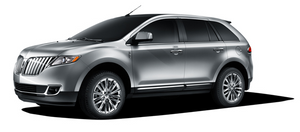
Crossover vehicles handle differently than passenger cars in the various driving conditions that are encountered on streets, highways and off-road. Crossover vehicles are not designed for cornering at speeds as high as passenger cars any more than low-slung sports cars are designed to perform satisfactorily under off-road conditions.
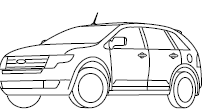
WARNING: Crossover vehicles have a significantly higher rollover rate than other types of vehicles. To reduce the risk of serious injury or death from a rollover or other crash you must:
• Avoid sharp turns and abrupt maneuvers;
• Drive at safe speeds for the conditions;
• Keep tires properly inflated;
• Never overload or improperly load your vehicle; and
• Make sure every passenger is properly restrained.
WARNING: In a rollover crash, an unbelted person is significantly more likely to die than a person wearing a seat belt.
All occupants must wear seat belts and children/infants must use appropriate restraints to minimize the risk of injury or ejection.
Study your owner’s guide for specific information about equipment features, instructions for safe driving and additional precautions to reduce the risk of an accident or serious injury.
See also:
Jump starting
WARNING: The gases around the battery can explode if
exposed to flames, sparks, or lit cigarettes. An explosion could
result in injury or vehicle damage.
WARNING: Batteries contain sulfuric acid ...
Working with the engine on
WARNING: To reduce the risk of vehicle damage and/or
personal burn injuries, do not start your engine with the air
cleaner removed and do not remove it while the engine is running.
1. Set the par ...
Programming MyKey optional settings
Turn the ignition on using an admin key. To program the optional
settings, use the message center buttons to do the following:
1. Get into main menu, select SETTINGS then MYKEY by pressing the
...