
Notice to crossover vehicle owners
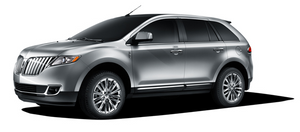
Crossover vehicles handle differently than passenger cars in the various driving conditions that are encountered on streets, highways and off-road. Crossover vehicles are not designed for cornering at speeds as high as passenger cars any more than low-slung sports cars are designed to perform satisfactorily under off-road conditions.
WARNING: Crossover vehicles have a significantly higher rollover rate than other types of vehicles. To reduce the risk of serious injury or death from a rollover or other crash you must:
• Avoid sharp turns and abrupt maneuvers;
• Drive at safe speeds for the conditions;
• Keep tires properly inflated;
• Never overload or improperly load your vehicle; and
• Make sure every passenger is properly restrained.
WARNING: In a rollover crash, an unbelted person is significantly more likely to die than a person wearing a seat belt.
All occupants must wear seat belts and children/infants must use appropriate restraints to minimize the risk of injury or ejection.
Study your owner’s guide for specific information about equipment features, instructions for safe driving and additional precautions to reduce the risk of an accident or serious injury.
See also:
Crafted, natural, comfortable
Standard 12-way adjustable front seats, adjustable pedals and power
tilt/telescoping steering wheel help accommodate a wide range of drivers.
The leather surfaces for the first two rows of seating ...
Going & Stopping
The MKX's drivetrain is another high point, with a 3.5-liter V-6 generating
265 horsepower at 6,250 rpm and 250 pounds-feet of torque at 4,500 rpm. The
transmission is a six-speed automatic develo ...
Engine block heater (if equipped)
WARNING: Failure to follow engine block heater instructions
could result in property damage or physical injury.
WARNING: To reduce the risk of electrical shock, do not use
your heater with ungrou ...