
Power steering fluid (except ecoboost engine)

Refer to scheduled maintenance information.
1. Start the engine and let it run
until it reaches normal operating
temperature (the engine coolant
temperature gauge indicator will be
near the center of the normal area
between H and C).
2. While the engine idles, turn the
steering wheel left and right several
times.
3. Turn the engine off.
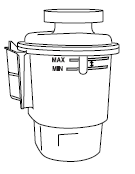
4. Check the fluid level in the reservoir. It should be between the MIN
and MAX lines. Do not add fluid if the level is in this range.
5. If the fluid is low, add fluid in small amounts, continuously checking
the level until it reaches the range between the MIN and MAX lines. Be
sure to put the cap back on the reservoir. Refer to Maintenance
product specifications and capacities in this chapter for the proper
fluid type.
See also:
Guarding against exhaust fumes
WARNING: If you smell exhaust fumes inside your vehicle, have
your dealer inspect your vehicle immediately. Do not drive if you
smell exhaust fumes.
Carbon monoxide is present in exhaust fumes. T ...
Safety and environment protection
Warning symbols in this guide
How can you reduce the risk of personal injury to yourself or others? In
this guide, answers to such questions are contained in comments
highlighted by the warning t ...
Traction control system (TCS)
The traction control system is a driver aid feature that helps your vehicle
maintain traction of the wheels, typically when driving on slippery and/or
hilly road surfaces, by detecting and control ...